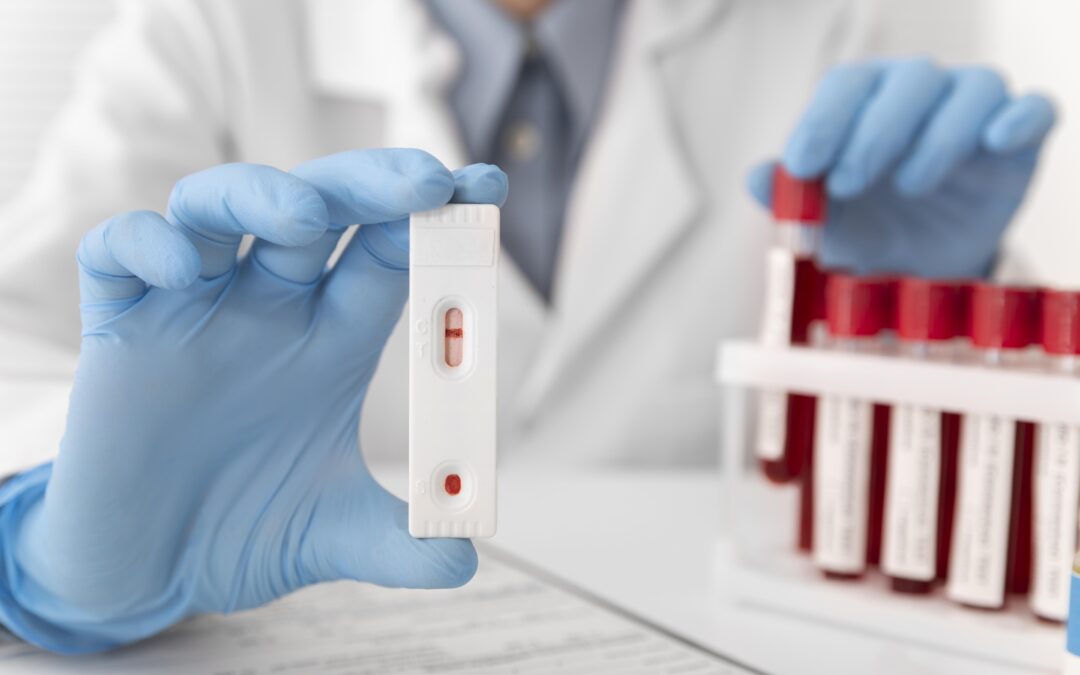
HIV clinical trials play a critical role in advancing medical knowledge, improving treatment options, and working toward better prevention strategies for people living with or at risk for HIV. These studies help researchers evaluate new medications, therapies, vaccines, and care approaches before they become widely available. For many participants, clinical trials also offer access to cutting-edge treatments and close medical monitoring.
What Are HIV Clinical Trials?
HIV clinical trials are carefully designed research studies that involve volunteers to test new ways to prevent, detect, treat, or manage HIV infection. These trials follow strict scientific and ethical guidelines to ensure participant safety and reliable results. Researchers use clinical trials to answer important questions such as how well a new drug works, what side effects may occur, or whether a prevention method is effective.
Clinical trials are essential to progress because every approved HIV medication or prevention strategy available today was once studied in a trial setting.
Types of HIV Clinical Trials
HIV clinical trials focus on different aspects of care and prevention, including:
- Treatment trials that test new antiretroviral therapies or new combinations of existing medications
- Prevention trials that study vaccines, pre-exposure prophylaxis (PrEP), or other strategies to reduce HIV transmission
- Cure-related research exploring ways to eliminate or control the virus without lifelong medication
- Quality-of-life studies examining mental health, long-term side effects, or aging with HIV
Each type of trial is designed with a specific goal, helping researchers better understand the virus and how it affects the body over time.
Who Can Participate in HIV Clinical Trials?
Eligibility for HIV clinical trials varies depending on the study. Some trials are open to people living with HIV, while others focus on individuals who are HIV-negative but at higher risk of exposure. Eligibility factors may include age, overall health, treatment history, viral load, or other medical conditions.
Before joining a trial, participants go through a screening process to ensure the study is appropriate and safe for them. Participation is always voluntary, and individuals can leave a study at any time.
Benefits of Participating in an HIV Clinical Trial
Many people choose to participate in HIV clinical trials for both personal and community-focused reasons, including:
- Access to new treatments before they are widely available
- Care from specialized healthcare professionals
- Close medical monitoring and regular health evaluations
- The opportunity to contribute to scientific progress and help others
While participation may not directly benefit every individual, the information gained from trials helps improve HIV care worldwide.
Understanding Risks and Safety Measures
Like all medical research, HIV clinical trials carry potential risks. These may include side effects from medications or treatments that are still being studied. To protect participants, trials are closely monitored by medical experts and regulatory boards.
Participants receive detailed information about possible risks and benefits through an informed consent process. This ensures that individuals fully understand the study before agreeing to take part.
Phases of HIV Clinical Trials
HIV clinical trials typically move through several phases:
- Phase I focuses on safety and dosage
- Phase II evaluates effectiveness and side effects
- Phase III compares new treatments to current standard options
- Phase IV monitors long-term safety after approval
Each phase builds on the previous one, helping researchers confirm that a treatment is safe and effective.
How to Find HIV Clinical Trials
People interested in HIV clinical trials can speak with their healthcare provider or search trusted clinical trial registries. These resources list ongoing studies, eligibility requirements, and locations. Many trials take place at hospitals, universities, and research centers around the world.
The Role of HIV Clinical Trials in the Future
HIV clinical trials continue to shape the future of prevention and care. Ongoing research aims to develop longer-acting treatments, reduce side effects, improve access, and explore potential functional cures. Without clinical trials and volunteer participation, these advances would not be possible.
Final Thoughts
HIV clinical trials are a cornerstone of progress in the fight against HIV. They offer hope, innovation, and the possibility of better outcomes for future generations. For those who qualify, participation can be a meaningful way to access emerging treatments while contributing to life-changing research.